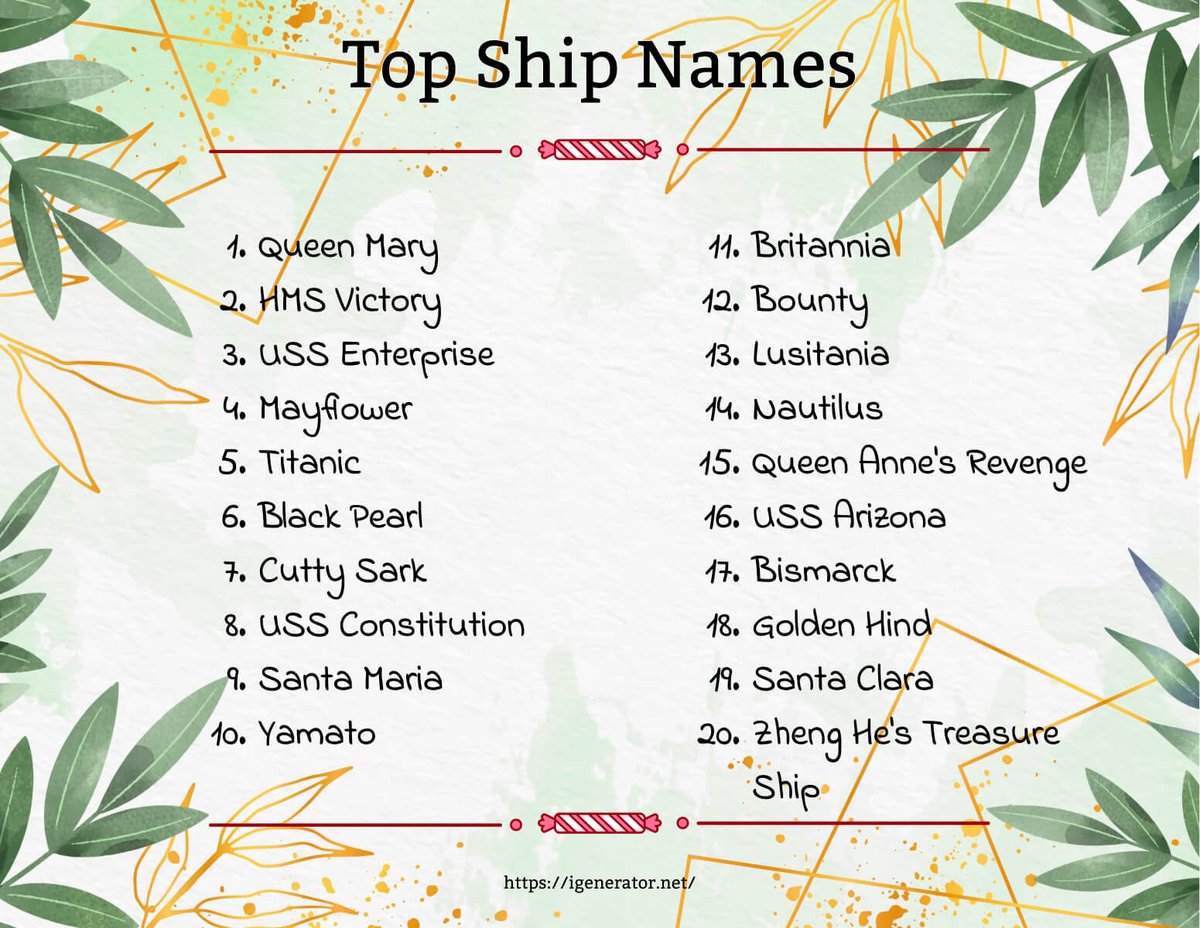
The name of a ship is more than just an identifier; it’s a vessel's soul, its personality, and often a reflection of its purpose, origin, or the dreams of its owner. From the majestic warships that shaped history to the humble private boat offering weekend escapes, every ship carries a story in its name. For centuries, mariners have regarded their vessels with an almost personal affection, often referring to them as "she," imbuing them with a distinct character and even a spirit of their own.
At its core, a [keyword: ship names generator] might seem like a simple tool, but behind every suggestion lies a vast ocean of maritime history, cultural traditions, and deeply held superstitions. This hub is your compass, guiding you through the fascinating world of ship naming, ensuring that whether you're embarking on a real-life voyage or crafting a fictional epic, your vessel's name resonates with meaning and power.
The Soul of a Vessel: Why Ship Names Matter
Historically, a ship's name was often chosen to invoke good fortune, commemorate a significant event, or honor a revered figure. These names carried the hopes and fears of those who sailed aboard, becoming an integral part of the ship's identity long before it ever touched water. Understanding this profound connection helps us appreciate the careful thought that goes into prefixes like HMS (His/Her Majesty's Ship) for British Royal Navy vessels, USS (United States Ship) for American naval craft, or the more functional SS (Steam Ship) and MS/MV (Motor Ship/Motor Vessel) for merchant vessels. Even the iconic RMS (Royal Mail Ship) carried a promise of reliability and purpose.
From Mighty Warships to Luxurious Liners: Naming Across Vessel Types
The type of vessel often dictates its naming conventions, with each category reflecting its unique role and heritage. The traditions are as varied as the seas themselves, ensuring that every ship's name tells a part of its story.
Military Might: Naming Naval Vessels
Navies around the world adhere to strict naming protocols that reflect national pride, historical battles, and revered figures. The British Royal Navy, for instance, often names its aircraft carriers after royalty or historical vessels, such as the formidable HMS Queen Elizabeth, while destroyers might bear the names of battles like HMS Diamond. Submarines often follow class designations using letters, like the HMS Astute. Across the Atlantic, the United States Navy honors presidents and important figures with aircraft carriers like the USS Gerald R. Ford, and naval heroes or Medal of Honor recipients are immortalized on destroyers. Submarines are frequently named for states (USS Ohio) or cities (USS Chicago), connecting them deeply to the nation they protect.
The Backbone of Trade: Commercial Ship Naming
Commercial vessels, vital for global trade, often follow practical yet thoughtful naming patterns. Companies might name ships after their founders (like the ubiquitous "Maersk" prefix), celestial bodies, geographic locations tied to their trade routes, or sequential identifiers. Historically, lines like the Black Ball Line famously had all their ships end in "of New York," establishing a clear brand identity. This blend of tradition and practicality ensures a cohesive fleet while often subtly hinting at the company's origins or aspirations.
Journeys of Comfort & Adventure: Passenger Ship Naming
Passenger vessels are designed to inspire dreams of luxury, adventure, and exotic destinations. Their names are crafted to evoke comfort and excitement, drawing passengers into the experience. Common themes include royal or regal names (Queen Mary), aspirational concepts (Harmony), or names linked to resorts and destinations (Norwegian Bliss). Modern trends often see cruise lines use class-based naming conventions, such as Royal Caribbean's Oasis-class ships all ending with "of the Seas," tying the fleet together with a grand theme.
Personal Voyages: Naming Private Vessels
Private vessels offer the most freedom for personal expression, resulting in a delightful array of creative and often whimsical names. Owners frequently opt for wordplay and puns (Aquaholic), financial references, themes of relaxation, or heartwarming nods to family names and spouses. Many recreational boaters deeply believe that changing a boat's name without a proper "renaming ceremony" can bring bad luck, underscoring the personal connection and respect given to these intimate vessels. To discover a wealth of options for any kind of vessel, you can Explore ship name ideas tailored to your specific needs.
Echoes of the Past: Cultural Maritime Naming Traditions
Ship naming is a tapestry woven from diverse cultural threads, each contributing unique patterns and beliefs. These traditions reflect the values, mythologies, and histories of the civilizations that sailed the seas.
British Royal Navy: Centuries of Tradition
The Royal Navy boasts some of the oldest and most rigid naming conventions. Historically, names like HMS Victory commemorated pivotal battles, while others, such as HMS Dauntless, embodied virtues. Royalty has always been a key inspiration, with ships like HMS Prince of Wales honoring the monarchy. Class Naming ensures vessels within the same group share thematic names, such as the River-class patrol vessels. A unique tradition sees ship bells, after decommissioning, often presented to churches for use as baptismal fonts, connecting naval history to community life.
Norse & Viking Lore: Dragons and Gods
The fierce warrior culture of the Norse and Vikings was powerfully reflected in their ship names. These often featured aggressive animal imagery, like dragons and serpents, or references to their rich mythology, including gods and legendary beasts such as Naglfar. They even had practical superstitions, like removing ornate figureheads when approaching friendly harbors to avoid frightening local land spirits.
Mediterranean Roots: Divine Protection & Feminine Grace
Ancient Greek and Roman traditions heavily influenced modern Western ship naming. Vessels were frequently named after gods and goddesses to invoke divine protection on their perilous journeys. The Greeks, in particular, often bestowed female names upon their ships, granting them distinct personalities. The Romans engaged in elaborate christening ceremonies, pouring wine and dedicating their ships to specific deities, a practice that echoes in today's christening rituals.
East Asian Wisdom: Auspicious Symbols & Natural Beauty
East Asian ship naming practices developed independently, shaped by their own unique philosophies. Chinese vessels often bore names reflecting auspicious concepts, celestial objects, or imperial references, seeking good fortune and grandeur. Historical Japanese ships frequently referenced majestic mountains, legendary creatures (especially dragons), or powerful natural phenomena. Modern Japanese Navy vessels continue this tradition, often using names of natural features like Kaga, or symbolic words such as Izumo, linking them to the nation's landscape and spirit. When you're looking for inspiration that delves into the deeper lore and meaning behind these historical naming patterns, you might want to Explore Ship Naming Conventions & Lore.
Legendary Vessels and Their Namesakes
Certain ship names resonate through history, not just for the vessels themselves, but for the stories they carry.
- HMS Victory: Lord Nelson's flagship at the Battle of Trafalgar in 1805, this ship was aptly named for victory in battle and stands today as the oldest commissioned warship in the world.
- USS Constitution: Launched in 1797, nicknamed "Old Ironsides," this vessel is the oldest commissioned naval ship still afloat, proudly named after the foundational document of the United States.
- Santa Maria: Christopher Columbus's flagship during his monumental 1492 voyage, her name honored the Virgin Mary, reflecting the deep faith of her time.
- Titanic: Famously named after the Titans of Greek mythology to emphasize her immense size and strength, her tragic maiden voyage in 1912, alongside her sister ships Olympic and Britannic, became a cautionary tale of human ambition.
Superstition, Ceremony, and the Art of Naming
Beyond history and tradition, maritime culture is rich with superstitions and ceremonies that highlight the sacred bond between a ship and its name. These practices underscore the belief that a ship is more than just an inanimate object.
The Ship Christening ceremony, involving the breaking of a bottle of champagne on the bow, is a widely recognized tradition dating back to the late 19th century. This joyous ritual replaced older, sometimes more elaborate ceremonies that included animal sacrifices or the pouring of wine. Perhaps the most famous superstition is the Renaming Taboo: changing a vessel's name is considered profoundly bad luck without a specific de-naming and renaming ceremony to appease the gods of the sea. While the practice has been questioned in recent times, ships are still traditionally referred to as "she," reinforcing their perceived personality. Sailors also traditionally avoid naming ships after disasters or vessels with tragic histories, seeking to invite good fortune rather than repeat past misfortunes. It's crucial for any vessel owner to know that a ship's name must be officially registered and displayed prominently on the hull. Even in fictional realms, these traditions hold sway; many science fiction universes, like Star Trek, maintain consistent ship naming traditions with prefixes such as "USS." To master the intricacies of selecting a truly fitting moniker, you'll want to Choose the Perfect Ship Name.
Crafting Your Own Legacy: Beyond the Generator
Understanding the deep historical and cultural roots of ship naming enriches the process far beyond simply plugging keywords into a [keyword: ship names generator]. Whether you're christening a real boat, developing a rich universe for your next novel, or seeking the perfect vessel name for a tabletop RPG or video game, this knowledge empowers you to choose a name with true resonance. For those adventurers and storytellers, you can Find unique ship name ideas that will set your fictional fleets apart. Furthermore, if you're a writer seeking to infuse your narratives with authentic detail and depth, learning how to Unlock worldbuilding with ship names will elevate your craft.
The journey of naming a ship, whether real or imagined, is an act of creation that connects you to centuries of maritime tradition. By exploring these rich histories and diverse cultural practices, you're not just finding a name; you're crafting a legacy, ensuring your vessel's identity sails proudly into the future.