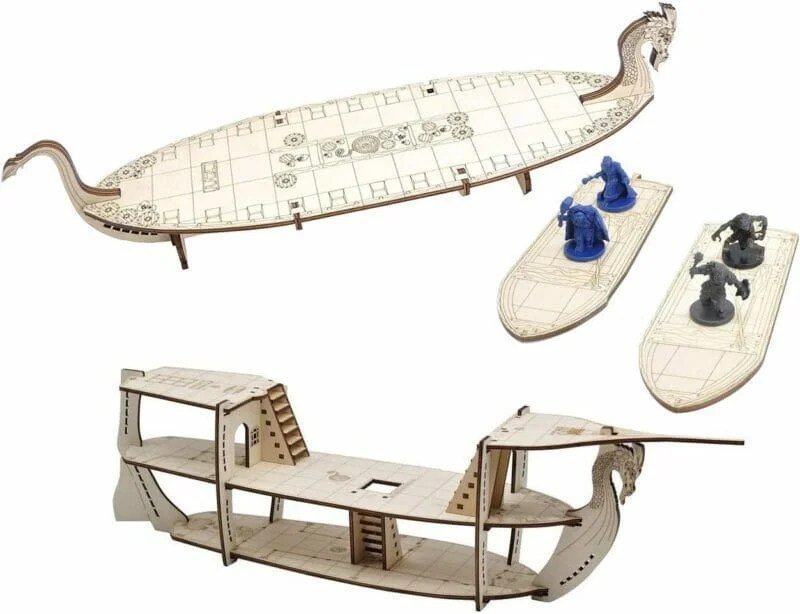
There's a special kind of magic in a well-chosen name. For heroes, villains, and even forgotten taverns, the right moniker breathes life into a fictional world. But when it comes to the vessels that carry our adventurers across star-swept nebulae or storm-tossed seas, the name isn't just an identifier—it's a promise. Crafting compelling Ship Names for Tabletop RPGs & Video Games isn't just about picking cool words; it's about defining a legend, hinting at a destiny, and adding a layer of immersive depth that players and readers will never forget.
A ship's name is the first whisper of its story, a beacon in the narrative that can encapsulate its purpose, its legacy, or the very soul of its captain. Whether it's the sleek, silent craft of an interstellar smuggler or the mighty, ironclad warship defending a kingdom, the right name resonates, becoming an extension of the world itself.
At a Glance: Crafting Unforgettable Ship Names
- A Ship's Name is Its Soul: It reflects its purpose, history, captain, and culture.
- Beyond Just "Cool": Great names are evocative, memorable, and often tell a micro-story.
- Categories for Clarity: Think about what role your ship plays—is it fearsome, exploratory, luxurious, or magical?
- Structure Guides Creativity: Simple formulas like Adjective + Noun can jumpstart ideas.
- Word Lists are Your Friends: Brainstorming related terms for traits, themes, and settings.
- Refine and Test: Say names aloud, check for unintended meanings, and ensure they sound right.
- Maximize Impact: Give your ship a reputation, a figurehead, and perhaps even some superstitions.
More Than Just a Label: Why Ship Names Matter in Your World
In any rich narrative, ships are rarely just transportation. They are characters in their own right, and their names serve as powerful tools for storytelling and world-building. Ignore this detail, and you miss a potent opportunity to deepen player immersion and narrative impact.
- Character Extension: A ship's name often mirrors the personality, aspirations, or even the tragic history of its captain or owner. A notorious pirate might name his vessel Grim Harvest, while a hopeful explorer could choose Discovery’s Light. The name immediately communicates who's at the helm.
- Cultural Insight: Naming conventions can subtly showcase the values, traditions, and priorities of a society. A culture focused on trade might have ships like Prosperity's Promise, while a militaristic empire would favor Sovereign's Pride or Eternal Conquest. These details make your world feel lived-in and authentic.
- A Storytelling Element: Just like legendary heroes, famous ships become central figures in narratives. Their names alone can hint at past glories, notorious deeds, or critical roles in historical events. Imagine the reverence or fear inspired by a name like Dauntless Venture or Nightmare's Embrace. Such names carry weight, becoming instant shorthand for tales untold.
- Worldbuilding Detail: Thoughtful naming practices add authenticity and depth to any civilization that relies on maritime travel or spacefaring. Are names typically short and practical, or long and poetic? Do they honor gods, heroes, or natural phenomena? These nuances build a more believable and engaging setting.
Categorizing Your Vessel's Identity: A Wellspring of Inspiration
Before you even start brainstorming, consider the ship's primary function and reputation. Categorizing your vessel helps narrow down the thematic scope and guides you toward names that truly fit. Here are some archetypes to spark your imagination, complete with evocative examples:
Legendary Vessels: Echoes of Glory and Grandeur
These ships are famous—or infamous—for their triumphs, their groundbreaking explorations, or their pivotal roles in history. Their names speak of legacy and enduring significance.
- Dauntless Venture, Sovereign’s Pride, Eternal Conquest
- Starlight Beacon, Epoch Weaver, Heart of the Commonwealth
- Glorious Dawn, Iron Will, Spirit of the Pantheon
Fearsome Vessels: Harbingers of Dread
Designed to intimidate and dominate, these ships are known for ruthless efficiency, brutal tactics, or the infamy of their captains. Their names often evoke darkness, power, or destruction.
- Dreadnaught, Grim Harvest, Nightmare’s Embrace
- Shadowfang, Executioner's Kiss, Blood Tide
- Marauder's Wake, Vengeful Star, The Oblivion Seed
Enchanted Vessels: Weaving Magic and Mystery
These ships possess unusual properties, magical enhancements, or profound connections to supernatural forces. Their names hint at arcane power, elusive beauty, or mystical origins.
- Arcane Voyager, Spellbound, Ethereal Tide
- Whispering Willow, Starfall Dream, Soulfire Skiff
- Dreamweaver's Gambit, The Serpent's Scale, Aurora’s Kiss
Exploration Vessels: Pioneering the Unknown
Built for venturing into uncharted territories, these ships seek new lands, cosmic phenomena, or hidden discoveries. Their names convey curiosity, courage, and the thrill of discovery.
- Horizon Seeker, Uncharted Path, Discovery’s Light
- Star's Edge, Voyager's Hope, The Cartographer's Dream
- Frontier Spirit, Deep Space Pilgrim, Nebula Drifter
Mercantile Vessels: Masters of Commerce
Prioritizing profit and trade, these ships carry valuable cargo and establish commercial relationships across vast distances. Their names often reflect wealth, opportunity, and reliability.
- Prosperity’s Promise, Golden Venture, Merchant’s Dream
- Trade Wind Baron, The Cargo King, Silver Ledger
- Bounty of the Stars, Fortune's Favor, The Gilded Galleon
Luxury Vessels: Opulence Afloat or in Orbit
These vessels cater to the elite, offering lavish accommodations, exquisite craftsmanship, and fine amenities. Their names suggest elegance, comfort, and exclusivity.
- Golden Crown, Ocean’s Elegance, Sapphire Splendor
- Velvet Comet, The Emperor's Delight, Crystal Palace
- Orion's Grandeur, Celestial Serenity, The Silk Nebula
Speedy Vessels: Built for Velocity
Prioritizing speed, these ships feature sleek designs, specialized rigging, or magical/technological enhancements to outrun any pursuer or competitor. Their names are often dynamic and swift.
- Wind Dancer, Swift Justice, Lightning Strike
- Razor’s Edge, Ghost Runner, Shadow Streak
- Peregrine Falcon, Star-Dart, The Quick Silver
Durable Vessels: Enduring the Extremes
Built to withstand harsh conditions, fierce storms, treacherous waters, or enemy attacks through sheer resilience. Their names convey strength, fortitude, and unwavering resolve.
- Indomitable, Weathered Voyager, Unbroken
- Ironclad Heart, The Bastion, Adamant Star
- Fortress of Solitude, Stone Sentinel, Anchor's Grip
Secretive Vessels: Masters of Stealth
These ships specialize in remaining undetected for espionage, smuggling, or surprise attacks. Their names suggest concealment, subtlety, and elusive movement.
- Silent Approach, Ghost Ship, Shadow Skimmer
- Whisperwind, Veiled Truth, The Covert Blade
- Phantom's Caress, The Unseen Hand, Blind Spot
Adventure Ships: Igniting the Spirit
These names are perfect for vessels that embody daring quests, thrilling journeys, and the spirit of exploration beyond the mundane.
- Wave Rider, Ocean Odyssey, Sea Sprite
- Starfall Scout, Galactic Drifter, The Wanderer's Call
Beyond Categories: Other Name Inspirations
- Mythological Names: Poseidon’s Fury, Aphrodite’s Grace, Kraken’s Wake, Valhalla Bound, Odyssey Star
- Naval & Military (Inspired): HMS Dauntless, USS Intrepid, Imperial Cruiser Vindication, Star Destroyer Retribution
- Historical (Inspired): Santa Maria's Legacy, Mayflower's Promise, Titanic's Ghost, Endurance's Spirit
- Pleasure & Sailing (Inspired): Sea Spirit, Wanderlust, Serenity, Tranquility's Embrace, Sunset Dream
- Fantasy & Fiction (Inspired): The Black Pearl, Millennium Falcon, Flying Dutchman, The Roc's Egg, Void Serpent
- Humorous Ship Names: Unsinkable II, Ship Happens, Aquaholic, Seas the Day, Knotty Buoy, Moby Dick's Revenge (a bit dark, but fitting for some settings!).
The Art of Naming: A Step-by-Step Guide to Perfection
Creating a truly great ship name isn't random; it's a deliberate process. Follow these steps to forge names that resonate and endure within your game or story.
Step 1: Define Your Ship’s Purpose and Character
This is the bedrock of your naming process. Without a clear understanding of the ship, its name will feel generic. Ask yourself:
- Primary Function: Is it a warship, a nimble scout, a cargo hauler, an opulent yacht, or a mystical craft?
- Distinctive Features or Capabilities: Does it have unique weapons, exceptional speed, cloaking technology, magical defenses, or an unusual design?
- Captain’s Personality or Motivations: Is the captain brave, cunning, ruthless, honorable, desperate, or whimsical? How would they name their most prized possession?
- Cultural Context and Setting: What kind of society built or operates this ship? Are names typically long and poetic, short and functional, militaristic, or religious? Consider the language and lore of your world.
Example: You're naming a pirate captain's ship. The captain is known for sudden, devastating ambushes and leaves no survivors. The cultural context is a loose confederation of pirate fleets.
Step 2: Choose Your Naming Structure
Having a structural framework can make brainstorming much easier. It provides a blueprint for combining words effectively.
- [Adjective] + [Noun]: Simple, powerful, and versatile.
- Examples: Swift Vengeance, Silent Fury, Golden Dream, Star Seeker
- The [Adjective] [Noun]: Adds a touch of legend or unique identifier.
- Examples: The Relentless Pursuit, The Crimson Maw, The Obsidian Blade
- Abstract Concept: Implies deeper meaning or destiny.
- Examples: Destiny, Serenity, Retribution, Apex, Genesis
- [Possessive] + [Noun]: Connects the ship to a specific entity, concept, or person.
- Examples: Fortune’s Favor, Triton’s Call, Empress’s Wrath, Sentinel's Roost
- [Verb] + [Noun]: Action-oriented, suggesting purpose or movement.
- Examples: Conquer Horizons, Cleave Skies, Traverse Worlds, Reap Souls
Example (Pirate Ship): - [Adjective] + [Noun]: Sudden Death
- The [Adjective] [Noun]: The Silent Strike
- [Possessive] + [Noun]: Reaver's Grip
- [Verb] + [Noun]: Devour Hope
Step 3: Develop Word Lists
This is where you gather your raw materials. Create columns or lists of words related to the key traits you identified in Step 1.
- Descriptive Words: Swift, majestic, dread, cunning, valiant, ethereal, gilded, ironclad, nimble, arcane, spectral, brutal.
- Maritime/Space Terms: Tide, wave, ocean, horizon, star, nebula, void, current, anchor, mast, hull, keel, warp, beacon.
- Thematic Elements: Fortune, courage, discovery, vengeance, glory, despair, shadow, light, hope, peace, chaos, conquest, prosperity.
- Animal/Creature References: Hawk, dragon, serpent, kraken, phoenix, griffin, viper, leviathan, wolf.
- Mythological/Legendary References: Names of gods, heroes, monsters, mythical locations (e.g., Olympus, Atlantis, Valhalla, Styx).
- Metals/Gems: Iron, steel, gold, silver, obsidian, sapphire, emerald, ruby, crystal.
- Actions/Verbs: Strike, cleave, conquer, seek, roam, glide, whisper, hunt, stalk, weave, dance.
Example (Pirate Ship): - Descriptive: Dread, grim, silent, shadow, swift, cruel, unseen, hungry, midnight.
- Maritime/Space: Wave, tide, abyss, maw, depth, void, kraken, reef.
- Thematic: Vengeance, despair, plunder, reaver, whisper, curse, blight, doom.
- Animals/Creatures: Serpent, kraken, viper, shark, wolf.
- Actions: Reap, strike, devour, seize, claim.
Step 4: Combine and Refine
Now, mix and match elements from your word lists using your chosen naming structures. Don't be afraid to experiment, and generate many options.
- Generate Options:
- Shadow Reaper (Adjective + Thematic)
- The Dread Maw (The + Adjective + Maritime)
- Vengeance's Call (Thematic + Possessive + Action)
- Serpent of the Void (Animal + of + Maritime)
- Nightmare's Embrace (Thematic + Possessive + Thematic)
- Whisperfang (Descriptive + Animal)
- Grim Tide (Descriptive + Maritime)
- Test Pronunciation Aloud: Does it roll off the tongue? Is it easy to shout across a deck or transmit over a comms channel? A clunky name can break immersion.
- Create the Right Impression: Does the name evoke the intended feeling? Shadow Reaper certainly sounds more fearsome than Pleasant Journey.
- Check for Unintended Meanings/Associations: Be careful of names that might accidentally sound silly, offensive, or already be famous in an unrelated way (unless that's your intention).
- Verify Memorability and Distinctiveness: Is the name unique enough to stand out? Could players easily recall it?
Refinement (Pirate Ship): Shadow Reaper is strong. The Dread Maw is good for a larger, more monstrous ship. Nightmare's Embrace is evocative and sinister. For a nimble pirate, Whisperfang could be excellent. Choose the one that best fits the specific ship and captain you defined in Step 1.
Beyond the Basics: Advanced Naming Nuances
A great ship name can do more than just identify a vessel; it can deepen your lore and add layers to your narrative.
Weaving in Cultural and Personal Touches
- Reflect Personal Connection: Does the captain have a deeply personal reason for the name? Perhaps it's named after a lost love, a mentor, or a significant event in their past. This adds emotional weight.
- Incorporate Nautical/Cosmic Elements: As seen in Step 3, words like "Sea," "Wave," "Wind," "Star," "Void," or "Nebula" ground the name in its environment.
- Consider Ship Characteristics: Names can hint at size ("Colossus"), speed ("Swiftwing"), or even color ("Crimson Dawn," "Silver Streak").
- Ease of Communication: Especially for military or emergency scenarios, names that are easy to pronounce and understand over a crackling radio are crucial. Think about how it would sound in distress.
- Maritime/Space Traditions & Superstitions: In many real-world maritime cultures, renaming a boat is considered bad luck without a special ceremony. Military vessels often follow strict class-based naming conventions (e.g., all destroyers are named after admirals, all cruisers after cities). Incorporating these traditions adds immense depth to your fictional world. Perhaps a ship named The Unsinkable is believed to be cursed, or vessels named after a certain deity are considered sacrosanct.
Maximizing a Ship Name’s Impact in Story
Once you have a name, don't just let it sit there. Make it work for your story!
- Create a Reputation: Don't just tell players a ship is famous; show them. Develop stories about the ship’s past exploits—battles won, treasures found, or daring escapes. A name like The Horizon Breaker gains gravitas when everyone knows it was the first to cross the Great Void.
- Design a Matching Figurehead/Livery: For physical vessels, a figurehead or a distinct paint job (or hull plating for spaceships) can visually reinforce the ship’s name and character. A Dreadnaught might have a snarling beast, while a Starlight Beacon could boast intricate celestial carvings.
- Establish Nicknames: Different factions, crews, or even enemies might have alternative, less formal, or even derogatory names for the same vessel. The Imperial Star Destroyer Indomitable might be known by rebels simply as "The Hammer." This adds realism and flavor.
- Consider Superstitions: Develop sailor’s beliefs, omens, or curses associated with the ship’s name. Maybe the Black Pearl is said to be haunted, or the Fortune's Favor only brings good luck if its captain is true of heart.
- Show Evolution: If your story spans years or generations, demonstrate how the ship’s reputation (and thus its name's impact) grows and changes with its deeds. An old, battered Relentless Pursuit might have started as a sleek new patrol craft, its name gaining new meaning after decades of chasing down criminals.
Pitfalls to Avoid When Naming Your Vessel
Even seasoned creators can stumble when it comes to naming. Steer clear of these common missteps:
- Generic or Bland Names: Avoid names that could apply to anything. "The Big Ship" or "Fast Boat" adds nothing. Strive for something evocative and specific.
- Overly Complex or Unpronounceable Names: While unique, a name that's a tongue-twister or sounds like gibberish will frustrate players and break immersion.
- Confusing Similarities: If you have multiple ships, ensure their names are distinct enough not to be mistaken for one another, especially in fast-paced combat or dramatic moments.
- Breaking Lore Consistency: Don't name a humble fishing trawler Galactic Sovereign unless there's a compelling ironic reason. Ensure the name fits the established tone and lore of your world.
- Accidental Humor (Unless Intended): Be mindful of how words combine. What sounds cool to you might have an unintentional, hilarious (or even offensive) connotation to others. Test names with other people.
Real-World Inspiration, Fictional Freedom
Ship names are crucial across a multitude of creative endeavors:
- Maritime Fiction: For novels, screenplays, or short stories, the ship often serves as a secondary character, and its name is key to its identity.
- Gaming and Role-Playing: In both video games and tabletop RPGs, a memorable ship name enhances player immersion, provides a narrative anchor, and can even become a beloved icon. Think of the Millennium Falcon or The Normandy from Mass Effect.
- Real-World Vessels: Even outside of fiction, boat owners and maritime businesses carefully select names that reflect their connection to the sea, brand identity, or personal aspirations.
Need a Jumpstart? Leverage Ship Name Generators
Sometimes, despite your best efforts, you hit a creative wall. That's perfectly normal! When you need a burst of inspiration or just a starting point, online ship name generators can be incredibly helpful. These tools often allow you to specify categories (like Legendary, Fearsome, or Mystical) and then instantly generate unique and creative suggestions. They combine maritime terminology, historical naming conventions, and creative elements to offer a wide array of options, often sparking ideas you hadn't considered.
You can often filter by themes, styles, or even by specific word types, making it easy to find something that resonates with your vision. If you're feeling stuck or just want to explore a vast ocean of possibilities, consider checking out our ship names generator to kickstart your creative process.
Frequently Asked Questions About Ship Naming
How important is a ship's name in a TTRPG?
Extremely important. It's often the first thing players learn about the ship and can immediately convey its purpose, the captain's personality, and even hint at the ship's history or potential future role in the story. A good name enhances immersion and memorability.
Should I name NPC ships differently from player ships?
Not necessarily "differently" in terms of quality, but perhaps in terms of thematic focus. NPC ships might be named to reflect their faction, their generic purpose (e.g., Trade Wind for a merchant vessel), or to foreshadow their role (e.g., Doom Bringer for an enemy flagship). Player ships, however, often benefit from a deeper, more personal connection to the party or their quest.
Can a ship name be a single word?
Absolutely! Many powerful and iconic ship names are single words like Destiny, Serenity, Vigilance, or Apex. The key is that the word should be evocative and convey significant meaning within your context.
What if I want a humorous ship name?
Go for it! Humorous names can add a touch of levity and character to your game, especially for less serious campaigns or specific NPCs. Just ensure the humor aligns with the overall tone of your setting and won't detract from serious moments if they arise. Examples include Unsinkable II, Ship Happens, or Seas the Day.
Is it okay to use existing famous ship names from history or fiction?
For inspiration, yes! But for direct use, be cautious. Using "Millennium Falcon" directly might break immersion for some players, reminding them of other media. Altering it slightly (e.g., Centuries Hawk) can give a nod while maintaining originality. For historical names, ensure they fit your world's aesthetic and don't create anachronisms.
Chart Your Course to Naming Success
A ship's name is a vital component of world-building, a character in its own right, and a powerful storytelling device. By thoughtfully considering its purpose, identity, and context, and by following a structured creative process, you can move beyond generic labels to craft names that will resonate with your players and readers for years to come.
So, unfurl your imagination's sails, let the winds of creativity fill your mind, and embark on the rewarding journey of naming the legendary vessels that will traverse the fantastic realms you build. Your stories—and your players—will thank you for it.