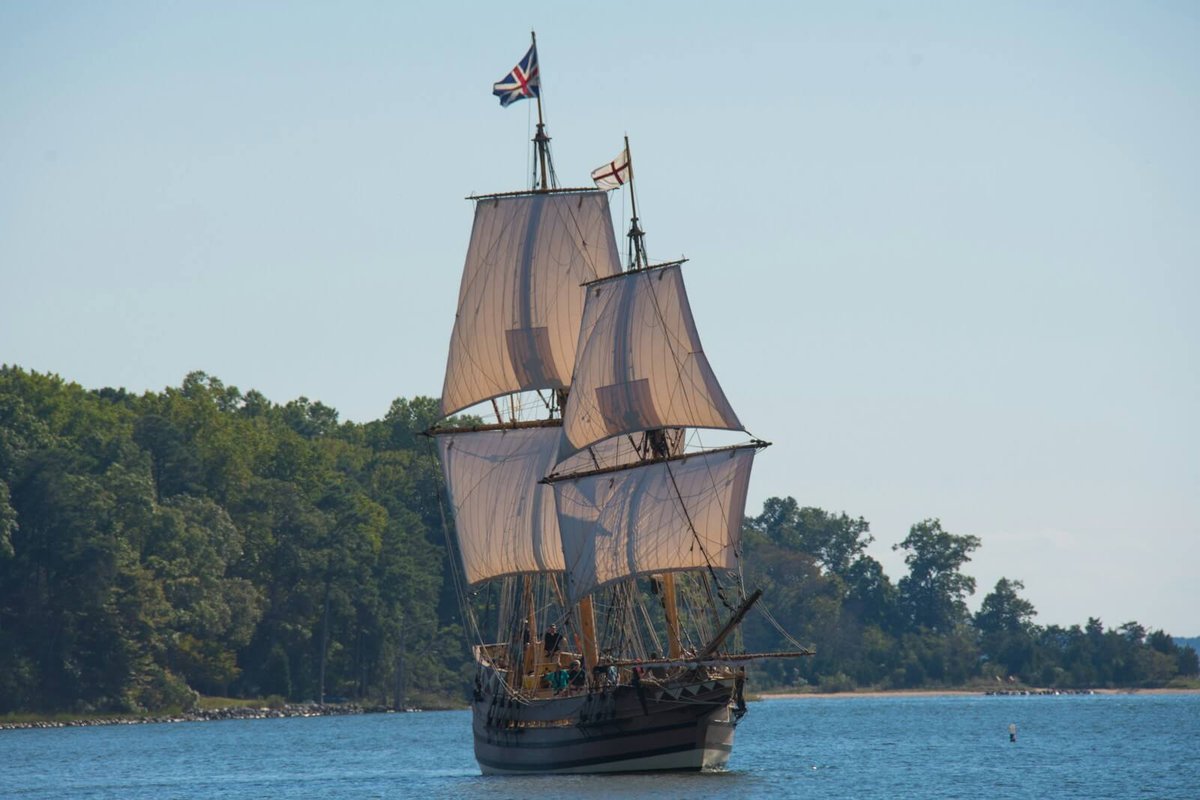
In the vast, undulating expanse where sky meets sea, a vessel is more than just wood, steel, or fiberglass; it is a living entity, an extension of human ambition, fear, and wonder. For millennia, cultures across the globe have bestowed names upon their ships, not merely for identification, but as invocations of luck, protection, and destiny. These names, rich with Historical & Mythological Inspirations for Ship Names, offer a fascinating chronicle of human civilization and our profound, often spiritual, relationship with the ocean. From ancient gods to epic heroes, from royal dynasties to daring explorations, the lore woven into a ship's identity has served as its very soul, guiding its journey through storms and triumphs alike.
At a Glance: The Enduring Power of Ship Names
- Ancient Roots: Ship naming is over 4,000 years old, driven by beliefs that vessels possess souls requiring names for safe passage.
- Divine Protection: Early cultures, like the Greeks and Romans, named ships after gods and goddesses for spiritual safeguarding.
- Viking Valor: Norse longships bore names reflecting strength, mythology, and purpose—from exploration to war.
- Evolving Meanings: Medieval names embraced religious and royal themes, while the Age of Sail saw ships named for strength, aspiration, or intimidation.
- Modern Shifts: Industrialization brought functional and branded names, with today's vessels reflecting technology, environmental consciousness, and personal expression.
- Cultural Tapestry: Naming traditions remain diverse globally, drawing from local mythologies, auspicious symbols, and historical figures.
The Soul of the Vessel: Ancient Origins of Maritime Identity
The impulse to name a ship runs deeper than mere practicality; it's an echo of ancient beliefs, a practice steeped in spiritual reverence and a profound connection to the unknown. Imagine the earliest mariners, over 4,000 years ago in Egypt, pushing off into the vast, unpredictable waters. They understood, instinctively, that their vessels needed more than construction; they needed a soul, a distinct identity. A name was the very breath of that soul, a vital component for safe passage and recognition across the watery expanse.
These early names were not whimsical choices. For the ancient Greeks, a ship's name was often a direct appeal to the heavens. Vessels would bear names like "Athena" or "Poseidon," invoking the wisdom and protection of the goddess of strategic warfare and the mighty god of the sea, respectively. It was a plea for divine favor, a spiritual shield against the treacherous whims of the ocean. The Romans, equally pragmatic and superstitious, mirrored this tradition, christening their ships with names that celebrated both their deities and their military might, such as "Victoria," embodying triumph itself. This era laid the bedrock for maritime naming, establishing the ship's name as a powerful talisman and a declaration of intent.
Viking Sagas on the Waves: Names of Strength and Legend
Centuries later, the Viking Age forged an indelible link between ship names and raw, elemental power. For the Norsemen, their longships — the very sinews of their culture — were far more than transport; they were floating fortresses, symbols of unmatched bravery, and conduits to distant lands. Their names were meticulously chosen, reflecting strength, valor, and deep connections to the intricate tapestry of Norse mythology.
A Viking ship's name was a declaration, a prayer, and a threat all rolled into one. It sought divine favor from gods and goddesses like Odin, Thor, and Freyr, whose legendary might was believed to imbue the vessel with similar resilience. Beyond spiritual protection, these names clearly articulated a ship's purpose: whether it was destined for daring exploration, lucrative trade, brutal warfare, or solemn ceremony. They were a vivid expression of identity, an intimidating presence on the waves, and a legacy carved into the annals of history.
Iconic Longships: The Backbones of Viking Dominance
The drakkars, or dragon-headed longships, were engineering marvels that defined the Viking fleet. Their names, often unearthed from burial mounds, whisper tales of their grandeur and symbolic importance.
- Oseberg Ship: Discovered within a Norwegian burial mound, this vessel boasts intricate carvings that hint at its ceremonial and symbolic significance. It was likely a vessel of profound spiritual importance, perhaps used for rituals or as a final resting place for royalty.
- Gokstad Ship: Another remarkably preserved longship, unearthed from a Norwegian burial mound, this leviathan measured over 23 meters in length. Believed to be the burial monument for a high-ranking chieftain, its sheer size and preservation speak volumes about its prestige and the reverence held for its purpose.
Mythological Names: Channels to the Cosmos
Norse mythology provided an inexhaustible wellspring of inspiration, imbuing ships with attributes of their divine namesakes.
- Skidbladnir: This legendary ship of the god Freyr means "wooden-bladed," yet its true magic lay in its versatility. It was fabled to sail on both land and sea, and, incredibly, could be folded into a small pouch. A ship named Skidbladnir would evoke adaptability and the blessing of bountiful harvest.
- Naglfar: A chilling name from the Eddas, Naglfar translates to "nail-farer" or "nail-ship," being a massive vessel made from the nails of the dead. It was destined to carry the forces of chaos during Ragnarök, the apocalyptic end of the world. Naming a ship Naglfar would be a terrifying, almost defiant, assertion of its dark power and role.
- Eikthyrnir: Meaning "oak-thorn," this name comes from a stag in Valhalla, whose horns rained water onto the world tree. It symbolized strength, endurance, and a connection to the fundamental forces of nature.
- Dreki: Old Norse for "dragon," this potent name directly signified a fierce and formidable nature, often seen in the fearsome dragon heads adorning the prow of many Viking longships.
Ships for Exploration and Trade: Voyagers of the Unknown
Not all Viking ships were designed for battle; many were built for the quieter, yet equally perilous, quests of exploration and commerce. The Skuldelev ships, submerged and preserved in Roskilde Fjord, Denmark, offer a remarkable glimpse into this diversity.
- Skuldelev 1: An 11-meter longship, this vessel was primarily designed for swift exploration and long-distance sailing. Its sleek form suggested speed and efficiency, perfect for charting new routes.
- Skuldelev 2 (often called a "Knarr"): This broader ship was a dedicated cargo vessel, robustly built for transporting goods across vast distances. Its name, or designation, underscores its commercial utility, facilitating the vital trade networks that sustained Viking society.
- Skuldelev 3 (a "Fishing Boat"): A smaller, more agile vessel, this boat was designed for coastal fishing expeditions, demonstrating the practical, everyday utility of Viking shipbuilding.
Warships and Raiding Vessels: The Dragons of the Sea
The drakkars that struck fear into the hearts of European coastal communities were built for speed, agility, and surprise. Their shallow drafts allowed them to navigate rivers far inland, facilitating lightning-fast raids.
- Jelling Ships: Associated with the powerful Jelling dynasty in Denmark, these vessels were likely high-status warships, embodying the might and authority of their royal patrons.
- Ormen Lange: Meaning "the Long Serpent," this formidable name conjured images of a colossal, sinuous sea beast. It symbolized immense strength and an intimidating presence, designed to strike terror into any who dared oppose it. The name itself was a psychological weapon.
Ceremonial and Burial Ships: A Passage to the Afterlife
For the Vikings, death was not an end but a journey, and ships played a pivotal role in this transition. Burial ships symbolized a final voyage, a majestic passage to the afterlife.
- Tune Ship: Discovered in Norway, this ceremonial vessel's name is believed to derive from Old Norse "Tun," meaning "enclosure" or "fence." This suggests a protected, sacred final resting place, underscoring the spiritual significance of these magnificent craft. These ships weren't just transport; they were portals.
From Saints to Sovereigns: Medieval & Renaissance Vessels
As the Viking Age waned, Europe entered a new era, and with it, new inspirations for ship names emerged. The Medieval period saw a profound intertwining of maritime identity with Christian tradition. Ships were frequently named after saints, biblical figures, or holy concepts, seeking divine favor and blessing through a different spiritual lens. Think of the iconic "Santa Maria," one of Columbus's caravels, a name that perfectly encapsulates this era's reverence for the Virgin Mary and the sanctity of exploration.
Alongside religious piety, royal patronage began to dictate naming conventions. Powerful monarchs and burgeoning navies often named vessels in their own honor or after members of their royal families, solidifying their authority on the seas. Names like "Royal George" would have broadcast the crown's might and influence.
The Renaissance, an age of profound discovery and humanism, ushered in a new wave of aspirational names. As Europeans pushed the boundaries of the known world, their ships reflected this ambition. Names such as "Discovery" became popular, celebrating the spirit of exploration, scientific inquiry, and the burgeoning global trade networks. These names weren't just protective; they were declarations of intent, beacons of a new era of human ingenuity and expansion.
Naval Might and Mercantile Dreams: The Age of Sail
The 17th and 18th centuries represented the zenith of the Age of Sail, a period of fierce naval rivalries and booming global commerce. Ship naming during this time reflected the dual nature of maritime power: military dominance and economic aspiration.
Naval vessels, built for war and national prestige, often bore names that emphasized brute strength, unwavering resolve, and national pride. "HMS Victory," Lord Nelson's flagship at the Battle of Trafalgar, is a prime example, a name that perfectly encapsulated its destiny. Other names might commemorate battles, heroes, or virtues like "Courageous" or "Invincible." These were not just names; they were rallying cries, meant to inspire fear in enemies and confidence in their crews.
Merchant ships, on the other hand, mirrored the commercial aspirations of their owners and investors. Names like "Fortune's Favor," "Prosperity," or "Good Hope" were common, reflecting the desire for profitable voyages and safe returns. These were often personal expressions of hope and ambition, prayers for bountiful trade in an era fraught with peril.
And then there were the outlaws of the sea: pirates. Their ship names were a stark contrast, designed for intimidation and terror. "Queen Anne's Revenge," the infamous flagship of Blackbeard, perfectly embodied the dark, rebellious spirit of piracy. These names were crafted to strike fear into the hearts of their victims before a single cannonball was fired, a psychological weapon as potent as any cutlass.
Engines of Progress: Industrial Revolution and Beyond
The Industrial Revolution dramatically reshaped maritime travel, bringing forth new materials, propulsion systems, and vastly larger vessels. This monumental shift naturally influenced naming conventions. Ships were now feats of engineering, and their names often reflected their technological prowess, immense size, or the innovative spirit of the age. The "Great Eastern," Brunel's colossal iron ship, was a testament to this, its name celebrating its sheer scale and forward-thinking design.
As commercial shipping lines emerged, branding became a crucial element. Companies sought consistency and recognition for their fleets. The Cunard Line famously adopted an "-ia" suffix for its passenger ships (e.g., "Lusitania," "Mauretania"), creating a distinct and elegant brand identity. Similarly, the White Star Line opted for the "-ic" suffix (e.g., "Titanic," "Olympic"), evoking grandeur and immense scale. These conventions helped passengers recognize and trust specific lines, shaping the nascent tourism industry.
The 20th century, scarred by two World Wars, saw ship names become memorials to conflict and heroism. Vessels were named to commemorate pivotal battles, fallen heroes, or the unwavering spirit of nations at war. These names served as solemn tributes and enduring symbols of sacrifice.
Modern Maritime Marvels: Navigating a New Era of Naming
Today, the world's oceans are crisscrossed by an incredibly diverse array of vessels, from colossal container ships to sleek luxury yachts, all operating within a globalized, technology-driven industry. Modern ship naming reflects this complexity, blending practicality, branding, personal expression, and a growing environmental consciousness.
Container ships, the workhorses of global trade, often bear names that are functional, alphanumeric, or part of a series, reflecting their role in an efficient, logistical network. Luxury yachts, however, represent the pinnacle of personal expression. Names like "Azzam," one of the world's largest private yachts, are often chosen by their owners to reflect personal values, cultural heritage, or simply a sense of grandeur and exclusivity.
Cruise lines continue the tradition of consistent themes, creating a branded experience that passengers come to associate with their vacations. You'll find fleets with names related to celestial bodies, mythological figures, or aspirational concepts, all designed to evoke a specific mood or promise.
Environmental consciousness is also increasingly influencing naming. As sustainability becomes a critical concern, ships are sometimes christened with names like "Wind Spirit" or "Eco Pioneer," signaling a commitment to greener maritime practices and innovation. In this complex landscape, digital tools are even emerging to assist in the selection process, helping owners navigate regulations, availability, and brand identity. If you're pondering a name for your own vessel, or just curious about the possibilities, you might even find inspiration through Our ship names generator, which can offer a wealth of creative options.
Cultural variations persist and thrive, adding to the rich tapestry of maritime identity. Nordic countries, for example, frequently continue to favor names rooted in their rich mythology and historical sagas, connecting modern vessels to ancient legends. Asian companies often choose names that incorporate auspicious symbols, believing they will bring good fortune and prosperity to the ship and its crew. Meanwhile, Mediterranean cultures frequently reference classical figures and beloved saints, linking their maritime heritage to millennia of tradition. Despite all the technological advancements and changes in purpose, the fundamental human impulse to name, protect, and imbue vessels with meaning continues unabated. Even as autonomous ships emerge and sustainability themes dominate the discourse, the legacy of maritime naming evolves, ensuring that future generations will continue to find connection and inspiration in the names that grace the waves.
Beyond the Lore: Practicalities of Naming Today
While the romance of historical and mythological names endures, modern ship naming also involves a layer of practical considerations. It's a blend of inspiration and regulation, legacy and logic.
Why Names Still Matter (Beyond History)
Even in an age of GPS and satellite tracking, a ship's name remains profoundly important:
- Identity and Brand: A name provides a vessel with a unique identity, crucial for commercial branding, recognition, and reputation.
- Safety and Communication: In emergencies, a clear, pronounceable name is vital for effective communication and rescue operations.
- Crew Morale: A well-chosen name can foster a sense of pride and camaraderie among the crew, connecting them to their vessel and its purpose.
- Legacy: For private yachts or historical replicas, a name carries personal meaning, honoring family, places, or aspirations.
Factors in Modern Naming
When choosing a ship name today, several factors come into play:
- Registry Requirements: Maritime authorities have rules regarding name availability, length, and content.
- Brand Identity: For commercial fleets, names must align with company branding and marketing strategies.
- Ease of Communication: Names should be easy to pronounce, spell, and understand, particularly over radio.
- Cultural Sensitivity: In a globalized world, it's essential to avoid names that could be offensive or carry unintended negative connotations in different languages or cultures.
- Personal Connection: For private owners, the name often reflects a deeply personal connection, a story, or a cherished memory.
Avoiding Common Pitfalls
While creativity is encouraged, some naming choices can lead to issues:
- Overly Complex Names: Long, difficult-to-spell, or obscure names can be impractical for daily operations and emergency communication.
- Bad Puns: While humorous on land, puns can lose their charm at sea, especially if they are difficult to understand across language barriers or sound unprofessional.
- Names That Don't Age Well: Trends come and go. A name that is too current might sound dated in a few years, especially for a vessel intended for long service.
- Duplication: Checking for existing names is crucial to avoid confusion, especially for commercial vessels or those operating internationally.
Your Voyage to a Perfect Name: A Final Thought
Whether you are a maritime professional seeking a name for a new fleet, a hobbyist dreaming of your first sailboat, or simply a curious observer of our seafaring heritage, the tradition of naming ships continues to fascinate. It's a reminder that even in our highly technological world, there's an enduring human need to imbue our creations with meaning, to whisper hopes and fears into their very identity.
The names we choose for our ships are not mere labels; they are narratives, echoes of ancient beliefs, testaments to human ambition, and quiet hopes for safe passage. From the dragon-headed longships of the Vikings to the sleek, environmentally conscious vessels of today, each name tells a story—a story of the sea, of humanity, and of the profound connection that binds us to the endless horizon. Choose wisely, for in that name lies a legacy.